

Reclamation and Garden Design
Reclamation and garden design go hand in hand. The growing use of reclaimed building and architectural materials is rapidly reshaping the garden design sector, driven by sustainability, aesthetics, and a renewed appreciation for heritage.
In the UK especially, garden design has shifted decisively toward environmentally conscious practices, such as reclamation. Designers are increasingly prioritising locally sourced and reclaimed materials as part of a broader move toward low-impact landscaping. Sustainable hard landscaping—such as reclaimed brick and stone—is now replacing imported materials, reducing carbon footprints while maintaining durability and cost competitiveness.
Reclaimed materials—defined as salvaged elements from previous buildings, infrastructure, or industrial sites. They include Yorkstone paving, granite setts, railway sleepers, and traditional bricks. Rather than being discarded, these materials are cleaned, graded, and reintroduced into new projects. In this way, reclamation supports circular construction principles and diverting waste from landfill to garden design, amongst other practices.
One of the primary drivers behind this trend is environmental responsibility. Using reclamation yards avoids the need for new quarrying or manufacturing, significantly reducing embodied carbon, but hugely beneficial for garden design. Additionally, sourcing materials locally cuts transportation emissions, aligning with broader climate-conscious design strategies. This aligns with wider garden trends focused on rewilding, biodiversity, and climate resilience.
Tactile Appearance Has Value
Aesthetic value is another key factor. Reclaimed materials offer a patina, texture, and irregularity that cannot be replicated by new products. As Robert Barker Design notes, reclamation yards offer “texture, history, and soul” to garden spaces. This is particularly appealing in naturalistic and informal garden styles, which dominate contemporary design.
High-profile events further illustrate the trend’s momentum. At the RHS Chelsea Flower Show 2025, multiple show gardens incorporated reclaimed brick and stone supplied by ourselves and other reclamation yards, demonstrating how these materials can deliver both sustainability and narrative depth in design. This year, we’ve again supplied a number of designers with landscaping and feature materials. With the show only a couple of weeks away, it’ll be interesting to see just how many show gardens have taken this route.
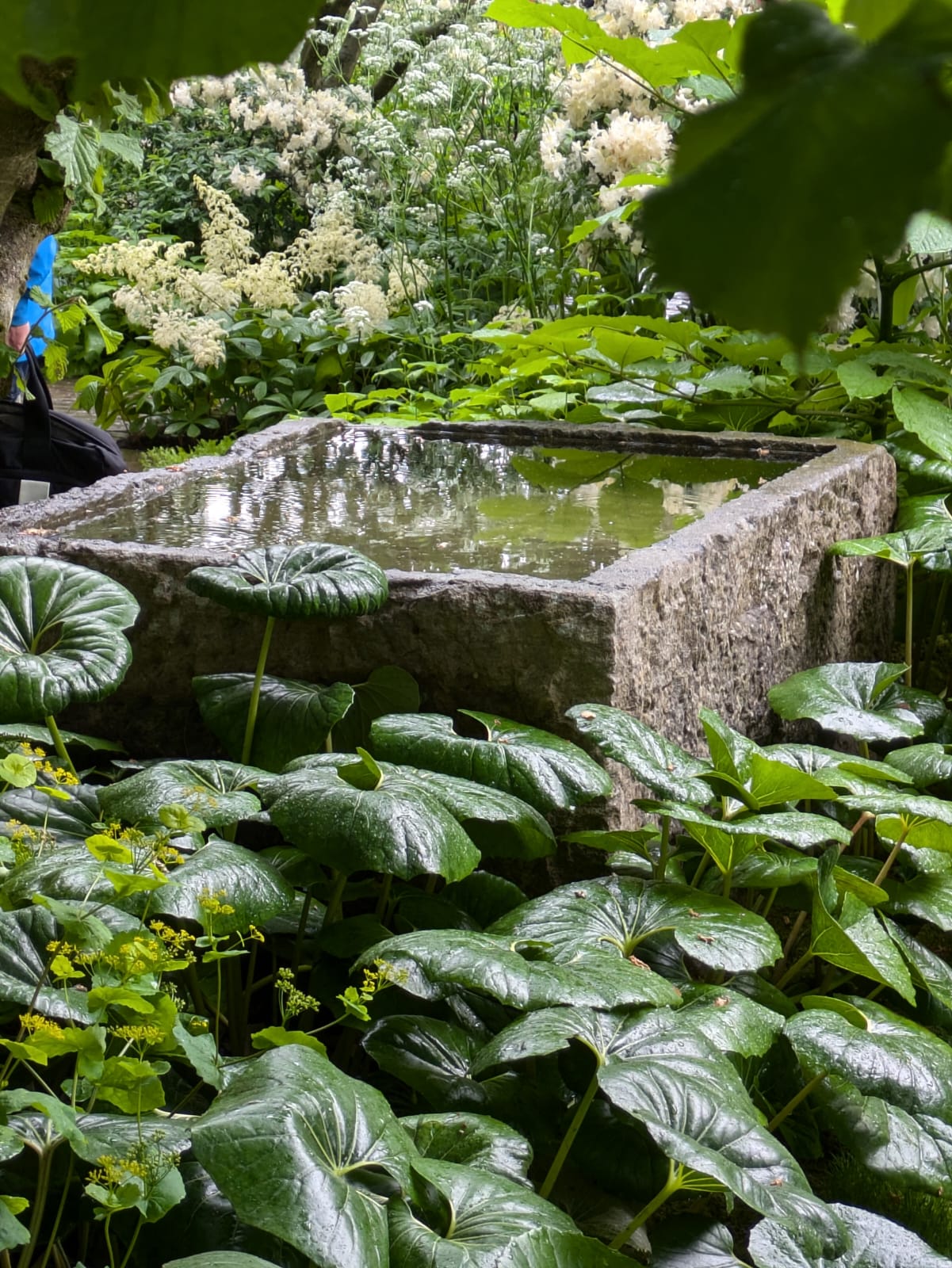 Functionality also plays a role. Reclaimed materials are often highly durable, having withstood decades of use in harsh conditions. Their proven longevity makes them ideal for paths, patios, and structural features in British climates.
Ultimately, the rise of reclaimed materials reflects a broader cultural shift in garden design. Away from perfection and uniformity, and toward authenticity, sustainability, and storytelling, attributes gaining value in all walks of life. As environmental pressures increase, their role within the sector will grow even further.

