


 Garden design is never just about plants, paving and making it ‘ornamental’—it’s a quiet conversation with the human mind. Every path, pond, and perfectly placed bench influences how we feel when we step outside. At its core, garden psychology is about creating spaces that soothe, intrigue, and restore us.
Humans are hard-wired to respond to nature, but structure matters. Curved garden paths feel more inviting than straight ones because they suggest exploration through ornamental displays rather than efficiency. Enclosed areas, created with hedges or pergolas, give a sense of safety and retreat, while open lawns provide relief and perspective. This balance between shelter and openness mirrors what we seek emotionally: comfort without confinement.
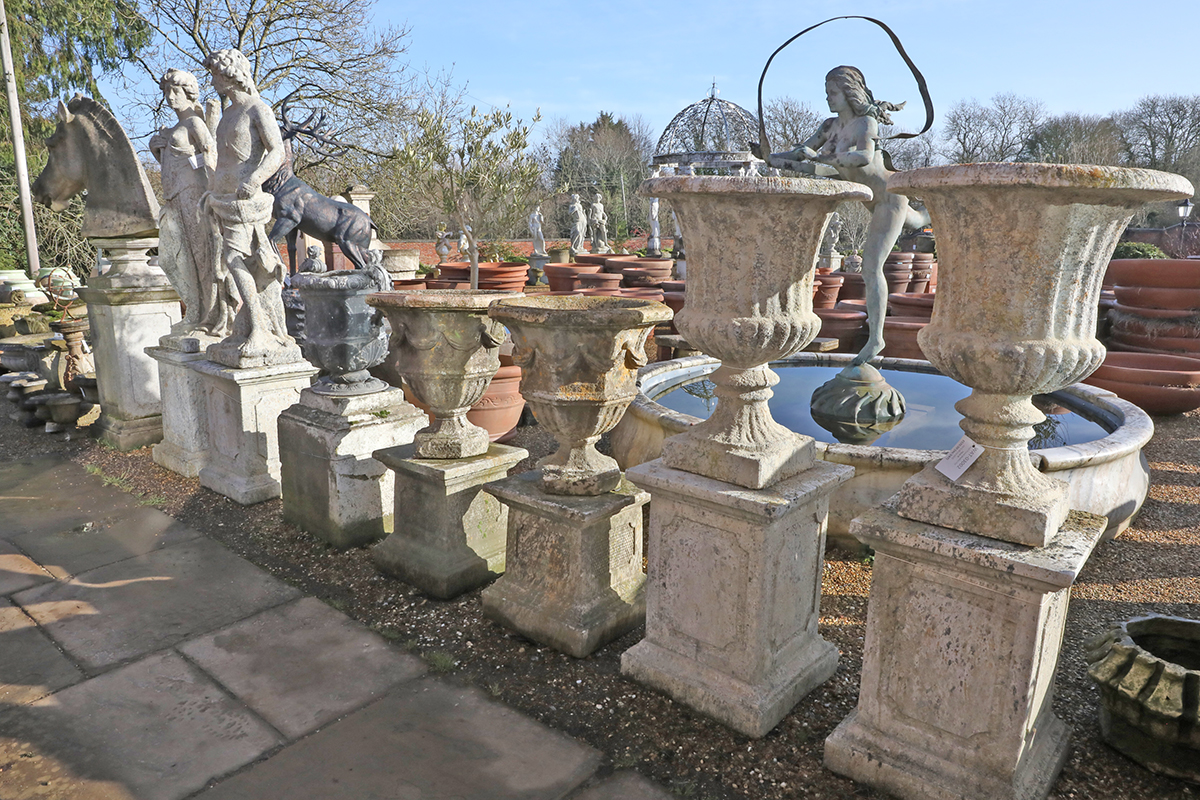
 Garden features act as psychological anchors. Water features reduce stress because rhythmic, natural sounds calm the nervous system. Focal points—statues, urns, or specimen trees—give the eye somewhere to rest, preventing visual overload. Even ornaments tell stories; a weathered stone figure or reclaimed object adds familiarity and nostalgia, grounding us in time and place.


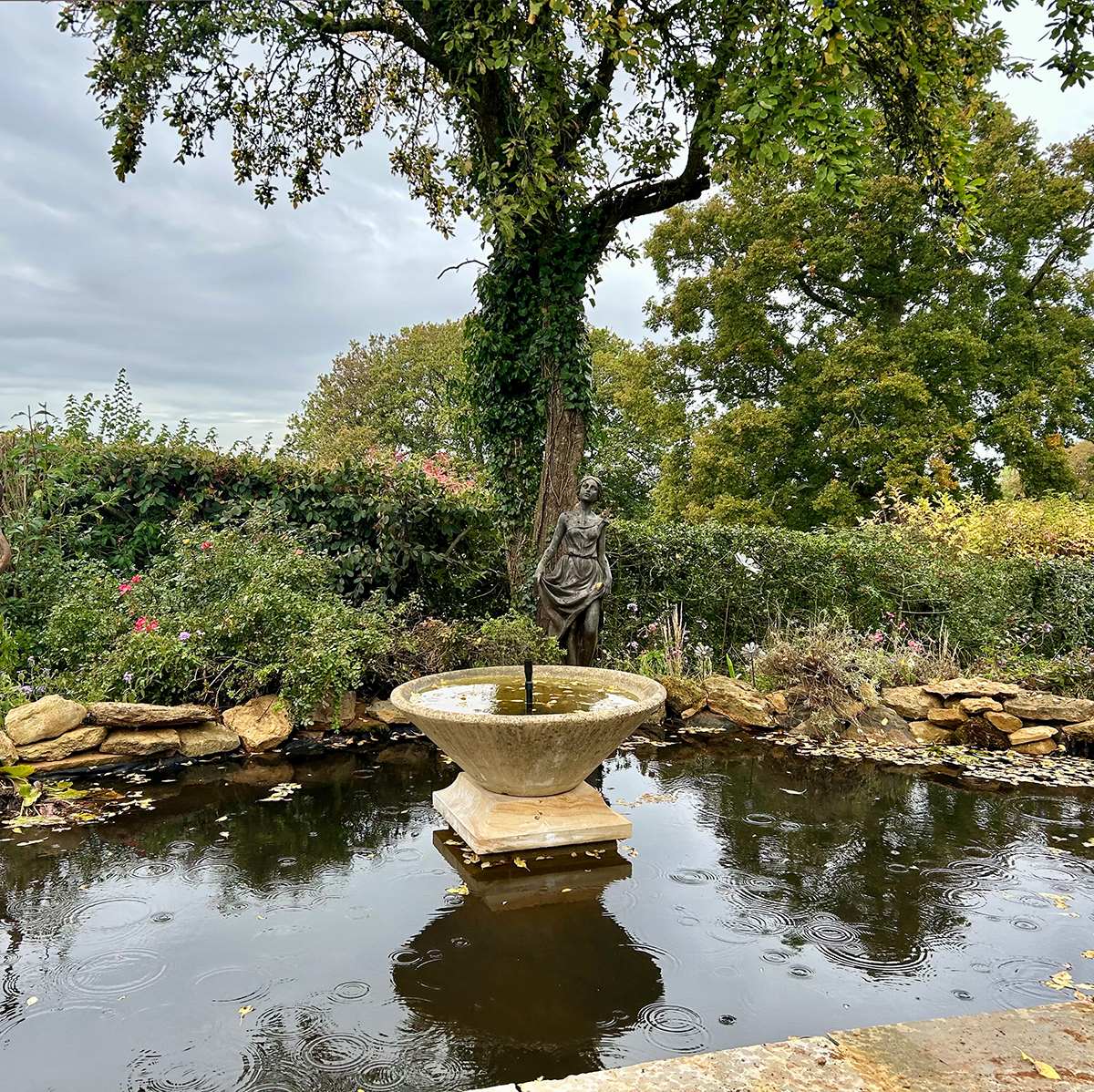 Ultimately, a well-designed ornamental garden feels “right” because it aligns with how we think and feel. It guides movement, encourages pause, and offers moments of delight. When design and psychology work together, the garden becomes more than a space—it becomes a state of mind.
For more information on creating your own calm oasis, visit the RHS website.

