
Why Architects and Landscapers Are Turning to Reclamation Yards First
Architects and landscapers are increasingly using reclamation yards as key project partners, why? In high end commercial architecture and landscape design, two factors dictate modern project success: proven material sustainability and distinctive design character. However, off the shelf building supplies often fail to provide the historical depth, structural maturity, and low embodied carbon credentials required by modern commercial clients and planning authorities.
Consequently, the professional collaboration between architects landscapers and reclamation yards now begins early in the material procurement process. Obviously, sourcing reclaimed timber, natural masonry, and architectural features directly from a specialist salvage yard delivers clear commercial, environmental, and structural advantages.
-
Drastically Reducing Embodied Carbon in Commercial Builds
With the UK construction industry facing strict carbon targets and initiatives like the Future Homes Standard, reducing embodied carbon is a top priority for project teams. However, manufacturing new clay bricks, quarrying fresh stone, and processing virgin hardwoods generate substantial industrial emissions.
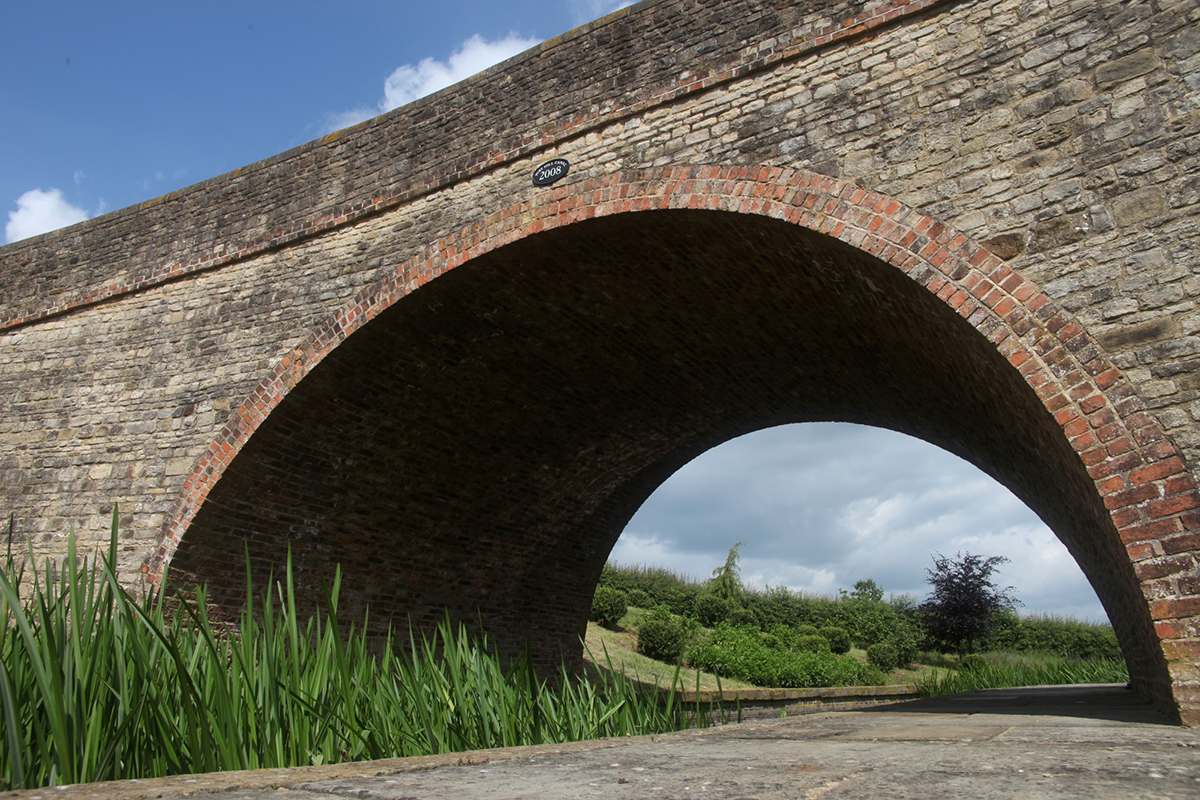
By contrast, specifying salvaged building supplies eliminates primary manufacturing carbon entirely. Moreover, forming strong working links, architects landscapers and reclamation yards help reduce whole life emissions by incorporating reclaimed imperial bricks, Yorkstone flagstones, or reclaimed oak timber into commercial specifications:
- Lower Whole Life Carbon: Reclaimed materials bypass high temperature kiln firing and intensive quarrying processes.
- BREEAM & LEED Contributions: Using authentic salvaged products helps developments achieve higher environmental accreditation scores.
- Circular Construction: Sourcing local salvaged goods keeps high grade structural timber and stone within the productive economy.
-
Unmatched Material Quality and Reclamation Character For Architects and Landscapers
Modern, fast grown timber and mass produced masonry cannot match the physical density and natural patina of historic materials. Whereas reclaimed oak flooring, vintage cast iron fixtures, and hand-cut stone carry decades, or even centuries, of natural weathering and seasoning.
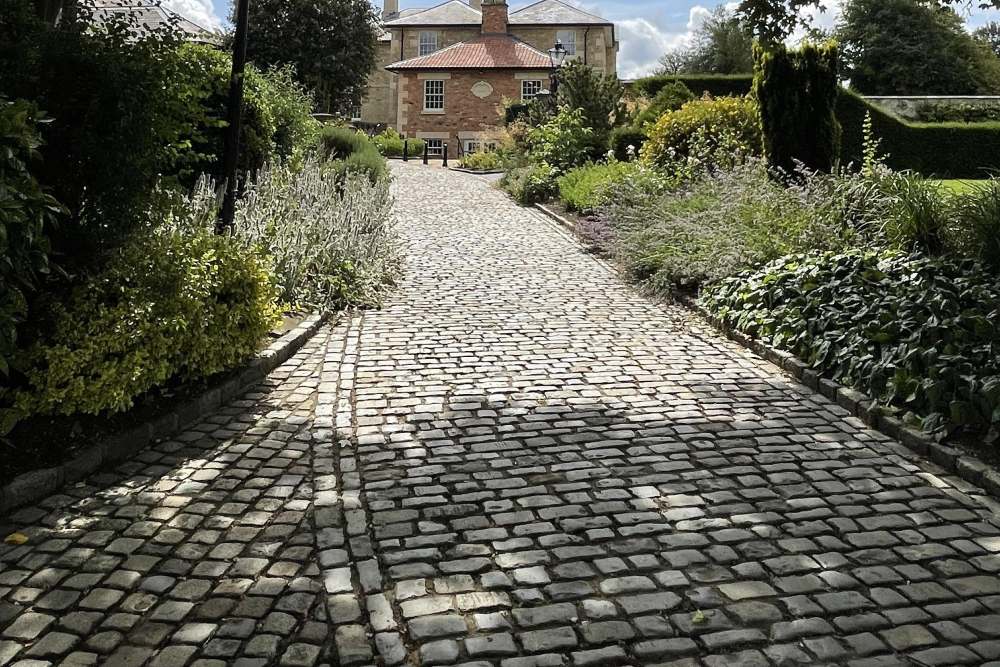
For commercial venues like boutique hotels, restaurants, and luxury residential developments, this authentic history creates an immediate visual connection. Consequently, unique material partnerships built by architects landscapers and reclamation yards ensure that feature walls built from reclaimed whisky barrel staves or courtyards paved with original cobbles tell a compelling story.
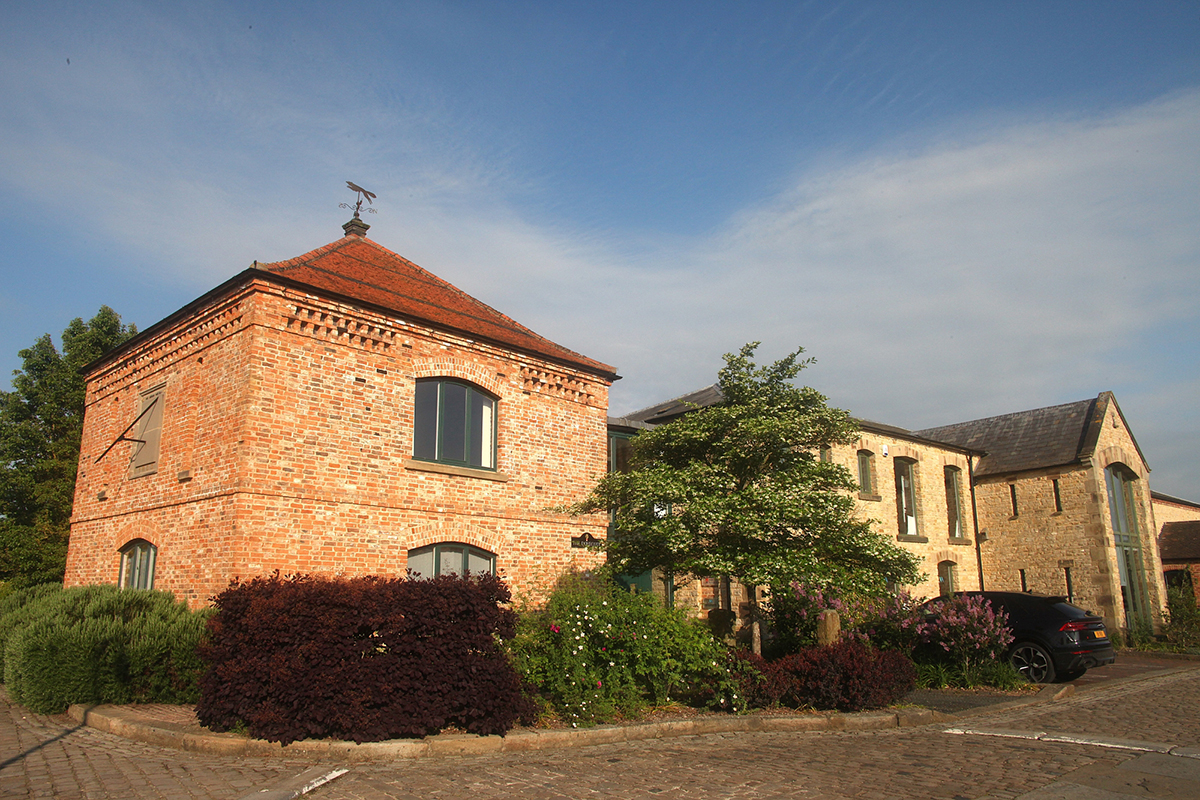
Furthermore, aged timber and stone offer superior dimensional stability. Indeed, having already undergone decades of natural moisture cycles, well preserved reclaimed oak and stone remain structurally sound. In addition, this means they’re far less prone to warping or shrinkage suffered by new materials.
-
Seamless Compliance in Heritage and Conservation Settings
When working on listed buildings, heritage restorations, or sites in designated conservation areas, planning authorities frequently stipulate that new work must match existing historic fabric. New, mass produced materials often clash with historic surroundings.
To solve these regulatory challenges, architects landscapers and reclamation yards collaborate closely to secure period-correct building supplies, including:
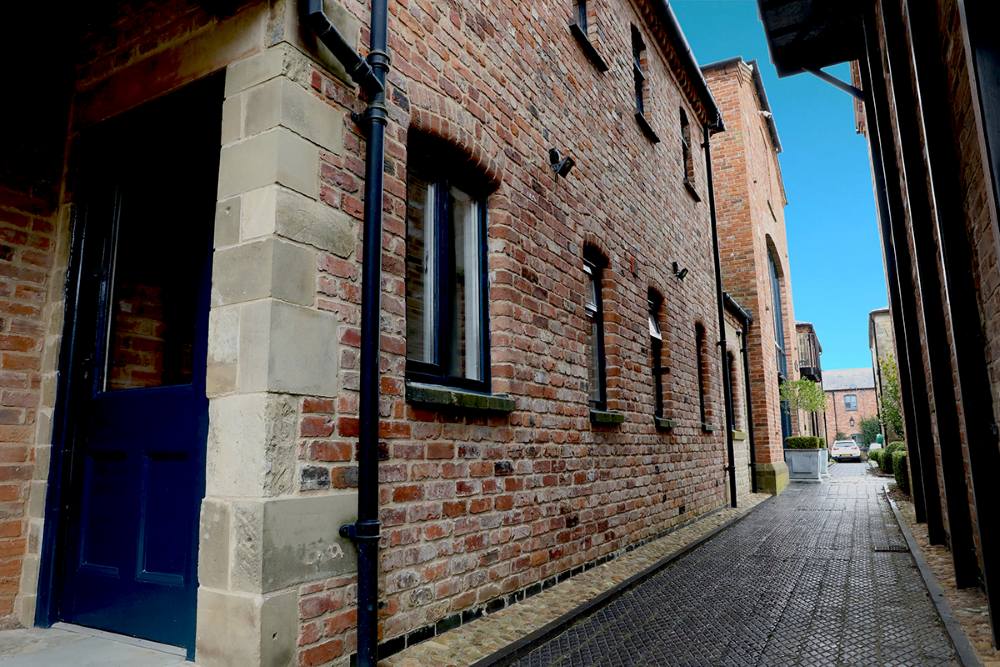
- Handmade Imperial Bricks: Accurate regional sizes, textures, and wire cut or soft mud finishes.
- Reclaimed Roofing Slates & Tiles: Welsh slates, handmade clay peg tiles, and traditional pamment tiles.
- Architectural Masonry: Weathered pier caps, granite gate posts, and stone troughs that blend naturally with established landscapes.
Working with an experienced reclamation supplier ensures your material submittals pass strict planning officer inspections quickly, preventing costly project delays.
-
The Benefits of Architects and Landscapers Partnering with Watling Reclamation Yard
Procuring large quantities of architectural salvage requires reliable stock, quality grading, and professional trade support. Consequently, at Watling Reclamation, our Towcester yard serves as a dedicated material partner, proving how successfully architects, landscapers and reclamation yards can deliver exceptional, sustainable commercial builds.
Trade Services Include:
- Bespoke Material Matching: Send photos or physical samples of brick, tile, or stone, and our team will do their best to match them from our extensive inventory.
- Bulk Material Procurement: We supply commercial volume orders of reclaimed bricks, railway sleepers, flagstones, and walling stone.
- Bespoke Timber Preparation: Our team can cut and prepare reclaimed timber to your specifications.
- Dedicated Trade Sourcing: If a specific architectural feature—such as classical composite stone statues, antique cast iron pumps, or vintage street furniture—is not in current stock, we locate it through our nationwide sourcing network.
Partner with Watling Reclamation for Your Next Project
Incorporate history, durability, and true sustainability into your next commercial specification. Visit our Towcester yard to inspect our current stock in person. Alternatively, contact our commercial team directly to discuss trade pricing, material submittals, and site delivery.
- Address: Watling Reclamation, The Old Pump House, Cuttle Mill, Watling St, Towcester NN12 8AA
- Phone: 01327 860288
- Website: watlingreclamation.co.uk