

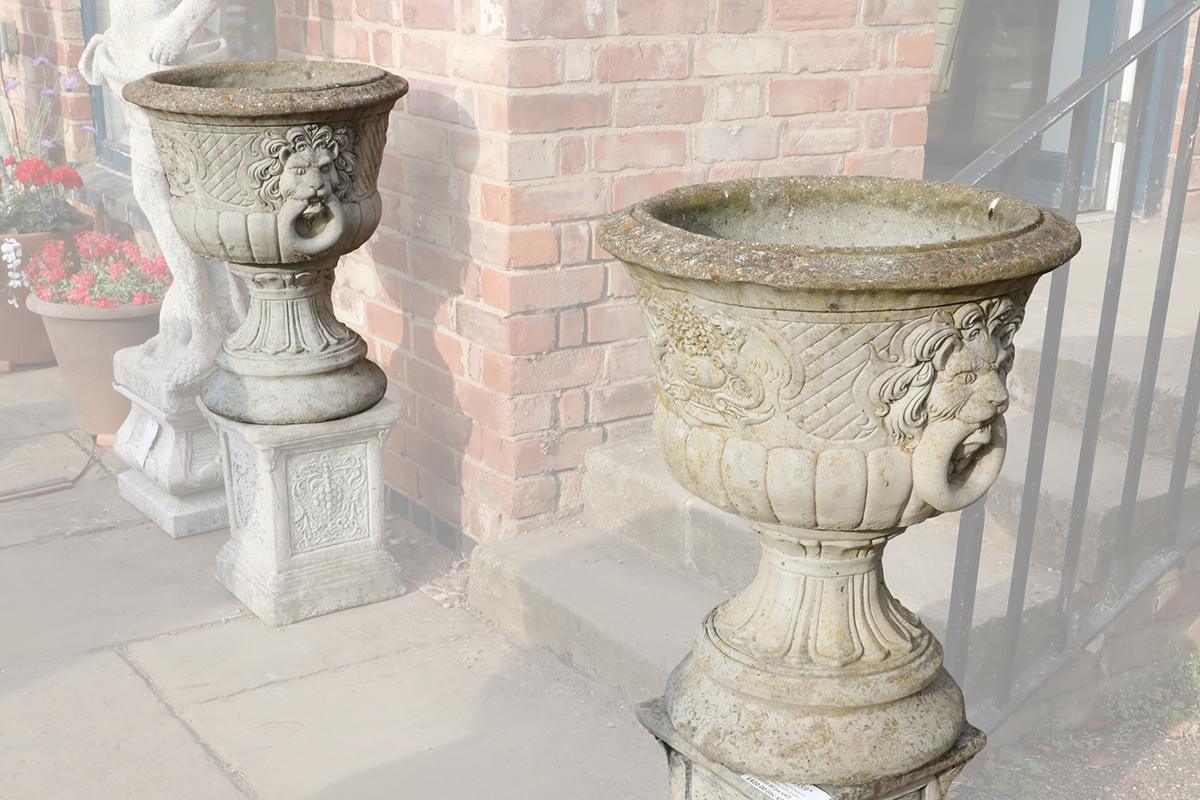
Expert Guide: Planting Decorative Urns for Lasting Success
Successfully planting decorative urns requires a blend of horticulturally sound techniques and smart material management. Composite stone offers exceptional frost resistance and durability, but proper preparation ensures healthy roots and long-term performance.
1. Essential Preparation and Drainage
Never skip structural drainage when planting decorative urns. Ensure the vessel features open drainage holes; if missing, bore 3–5 holes using a diamond-tipped or carbide masonry bit on a slow drill setting. Do not use a hammer drill setting like you would for normal masonry.
Elevate the planter using stone pot feet to raise it off the ground. Air circulation underneath prevents waterlogging and protects against frost damage caused by expanding trapped water. Cover the internal holes with terra cotta crocks or coarse gravel to prevent soil wash-out.
2. Smart Layering and Soil Selection
Deep vessels like decorative urns require strategic volume management when planting. Fill the lower third of large containers with expanded clay pebbles (hydroleca) or upturned plastic pots. This lightweight filler reduces total weight, conserves compost, and maintains air pockets.
Separate the filler from the growing medium with a layer of permeable horticultural fleece. For the potting mix, avoid multi-purpose peat-free composts alone, as they tend to shrink and dry out rapidly. Instead, use a loam-based formula such as Growmoor Black Gold Organic Compost, blended with 20% horticulturally rated sharp grit. Loam offers weight stability, trace minerals, and superior moisture-retentive capacity.
3. Executing the Thriller-Filler-Spiller Design
When planting decorative urns, structure your arrangement using classic focal design principles:
-
The Thriller: Position a structural focal point centrally, such as Buxus sempervirens, Chamaecyparis, or Pennisetum.
-
The Filler: Surround the center with flowering or foliage plants like Pelargonium, Heuchera, or dwarf Salvia.
-
The Spiller: Soften hard rims with cascading varieties like Hedera helix, Glechoma hederacea, or Lithodora.
Finish planting decorative urns by leaving a 3–5 cm space below the rim for watering. Top-dress with a layer of fine slate chip or grit mulch to conserve moisture and complete the display.
Key Horticultural References For Planting in Decorative Urns
-
RHS (Royal Horticultural Society): Container Gardening Guidelines & Media Selection .
-
Home Living Handbook: How to Improve Container Plant Drainage & Prevent Winter Damage

