

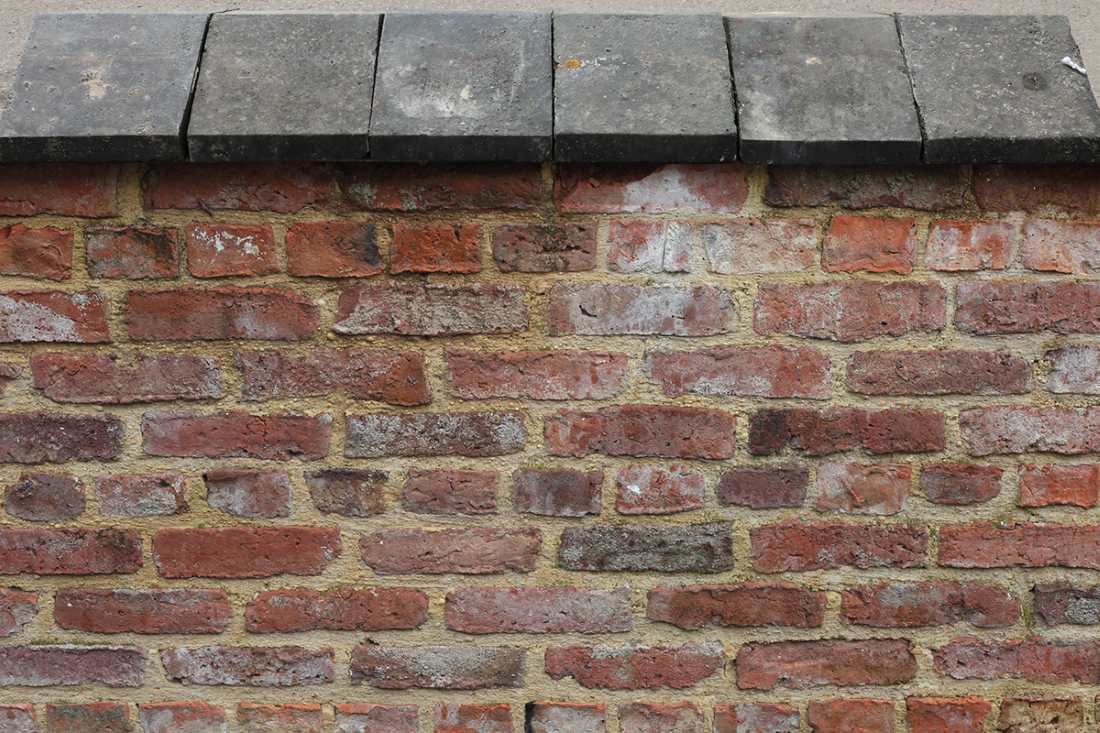
Essential Guide to Imperial Bricks: Sourcing, Sizes, and Matches
Are you looking to source imperial size bricks for a UK renovation, extension, or heritage building project? If it is your first time navigating reclamation yards or you just need practical advice to find the perfect match, this guide provides everything you need to know.
From Tudor cottages and Victorian terraced houses to historic castles, distinctive brickwork defines British architecture. However, finding the correct traditional building materials requires an understanding of how older manufacturing methods differ from modern standards.
Metric vs Imperial Brick Sizes: What is the Difference?
Understanding the core differences between historical and modern dimensions is essential for any construction project.
Prior to 1965, UK brick manufacturers measured all components in inches (imperial size bricks). Following the national metrification programme, the construction industry adapted to a standardised size. This transition resulted in BS 3921 in January 1970, which established the modern standard.
Today, standard metric size bricks measure exactly 215mm x 102.5mm x 65mm. This specific sizing accounts for a standard 10mm mortar joint. Designers chose these dimensions based on two main factors:
-
Ergonomics: The block must remain small enough for a bricklayer to hold comfortably in one hand to maintain on-site efficiency.
-
Modular Coordination: The sizing fits into a 300mm module multiple (BS 4011), allowing modern metric bricks to work alongside older imperial masonry during transitions.
What Size are Imperial Bricks?
Unlike standardised modern blocks, there is no single definitive imperial brick size. Instead, dimensions vary based on the historical era and regional manufacturing traditions.
Generally, reclaimed imperial bricks are larger than their modern 215mm metric counterparts. They typically measure 228mm (9 inches) in length and 108mm (4¼ inches) in width. However, their heights vary significantly:
| Imperial Brick Height | Common Regional/Historical Context For Size |
| 50mm (2 inches) | Tudor period and thin heritage brickwork |
| 68mm (2⅝ inches) | Standard pre-1970s southern England and London stocks |
| 73mm (2⅞ inches) | Late Victorian and Edwardian structures |
| 75mm / 80mm (3 inches+) | Northern England, Scotland, and heavy industrial masonry |

Challenges in Sourcing Historical Brickwork
Because regional clay variations and local kilns dictated production before 1965, sizing of Imperial bricks was notoriously inconsistent. If your property was built before the 1970s, your façades almost certainly feature these unique measurements.
When executing a seamless extension, chimney repair, or restoration, a mismatch in coursing height will disrupt the structural bonding and look unsightly. Therefore, sourcing genuine reclaimed bricks or specialised imperial reproductions is vital to match the exact texture, colour, and dimensions of your original UK property.

